In a world humming with noise and contradiction, where every ailment is met with a complicated solution, there is a quiet truth we often overlook; simplicity works. The body, in its deep intelligence, is designed to function with grace and rhythm. Yet we intervene with synthetic promises, disrupting the cadence, forgetting that we are not machines to be hacked but living systems that need to breathe, pulse, rest and renew.
Before we reach for high-tech wellness gadgets or designer supplements, we must ask; can we breathe fully? Can we sleep deeply, digest comfortably, eliminate regularly and feel genuinely at peace in our bodies? These are not luxuries. They are the groundwork for vitality. When these functions falter, no super food can substitute, no pill can replicate the restoration that simplicity brings.
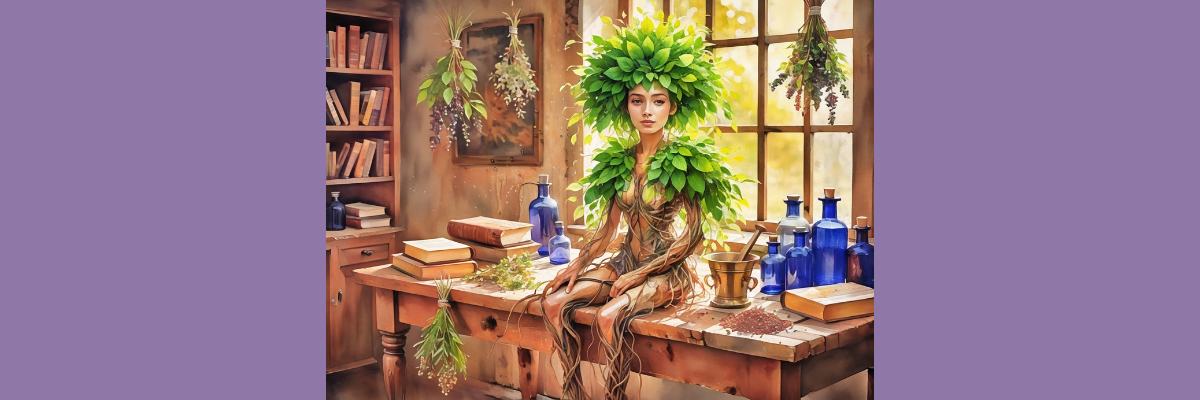
We are not just bodies. We are souls housed in flesh; rivers of energy coursing through a biological form and our forms were born in deep relationship with the plant world. From the moment we took our first breath, herbs were there, growing beside us, offering medicine in their roots and leaves, balm in their flowers and clarity in their aromatic essence. We do not have to force wellness; we return to it when we reconnect with what has always been true.
This is not about idealism or romanticising nature, it is about practicality. About sleeping better because chamomile or valerian soothed our nervous system. About digesting better because bitter herbs like dandelion and milk thistle reminded the gut to secrete its own wisdom. About breathing more freely because thyme and eucalyptus opened the pathways of our lungs. It is about waking up clear-eyed and vital not because of caffeine but because adaptogens like ginseng, ashwagandha or brahmi steadied the body’s inner tides. Herbalism is not an alternative; it is an original language, the mother tongue of human health.
What makes this even more extraordinary is that these plants don’t just act on our physical tissues. They influence our moods, our thoughts and our subtle energy. Lavender softens our edges, lemon balm lifts the clouds of gloom, and rosemary sharpens our insight, while mugwort dreams us into the places we’ve forgotten. Plants work on all layers of being; body, heart, mind and spirit; they don’t just treat symptoms, they invite us into relationship, into presence and into awareness.
There is magic in this. Not fantasy, but the subtle, old-world magic of life deeply lived. The kind of magic that comes when we slow down enough to notice how a single cup of nettle tea can bring strength to the bones or how drinking fennel and peppermint after dinner can unravel discomfort and make us feel comfortable again. It is the kind of magic that doesn’t separate the sacred from the practical.
We become better functioning humans not by pushing harder but by tuning in. By remembering that wellness isn’t a status symbol, it is the way life flows when we get the basics right when we are aligned with the design. To be human is to be a part of the Earth. To heal is to return to our Nature. To thrive is to honour the simple.
We don’t need to complicate the path. Healing begins in the breath. In the leaf that nourishes, the sleep that finally arrives after a herbal nightcap, the body that softens and releases, the stillness that follows and the deep remembrance that we are not separate from Nature but expressions of it. The more we live from that truth, the more we glow from within and vibrate at a frequency that uplifts not only ourselves but the world around us.
This is the beauty of plant medicine. It doesn’t rush and it doesn’t shout. It restores the original rhythm, meets us where we are and walks beside us as we come home to ourselves.